The Pillars of LEAD™
The LEAD™ Framework for Rehabilitation Professionals is organized around three core pillars — the 3 C’s - Communication, Cognition, and Coping — that guide how rehabilitation professionals interact, design interventions, and support individuals living with dementia.
These pillars work together to shape clinical reasoning, therapeutic relationships, and the delivery of person-centered rehabilitation across care settings. They provide the structure for the treatment facilitators and strategies.
By addressing how we communicate, how individuals learn, and how they respond to emotional and environmental demands, LEAD™ helps clinicians translate knowledge into meaningful, effective care.

Communication
How we connect, guide, and support participation through intentional interaction.

Cognition
How we align rehabilitation with preserved learning, memory, and attention systems.

Coping
How we respond to emotional, behavioral, and environmental factors that shape engagement.
Communication.
Communication shapes participation, engagement, and therapeutic relationships. When cognitive changes affect language, processing, and comprehension, rehabilitation professionals must adapt how information is delivered and how interactions unfold.
Clear, supportive communication can reduce frustration, improve follow-through, and strengthen trust between the clinician, the individual, and care partners.
The strategies below illustrate ways communication can be adapted to support successful rehabilitation.
-
Allow time for processing and responses. Acknowledge frustration without rushing or correcting.
-
Use concise, direct cues instead of multi-step instructions.
-
Offer limited options to reduce decision-making burden and increase participation.
-
Focus on the present moment rather than relying on recall of past events.
-
Combine verbal, visual, and tactile cues to support attention and understanding.
Cognition.
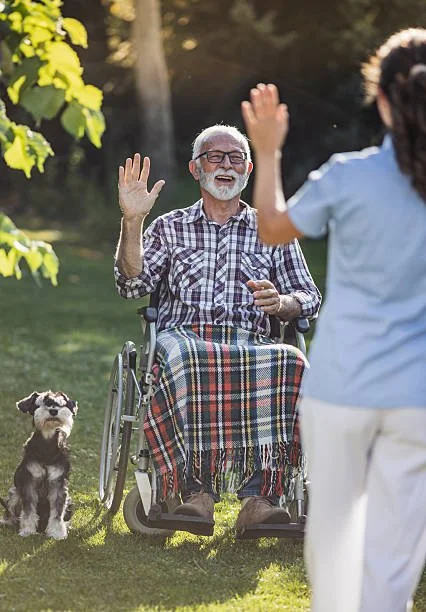
Learning by Modeling
Demonstrating tasks before asking the individual to perform them.

Cognitive Task Analysis
Breaking tasks into manageable steps to reduce cognitive load.

Errorless Learning
Structuring tasks so individuals experience success and avoid reinforcing errors.

Spaced Retrieval
Using repeated recall over increasing time intervals to support learning.
A Step-by-Step Guide to Spaced Retrieval (Jeanette Benigas, Jennifer Brush, Gail Elliot)
Using the Spaced Retrieval Therapy app (Tactus Therapy)
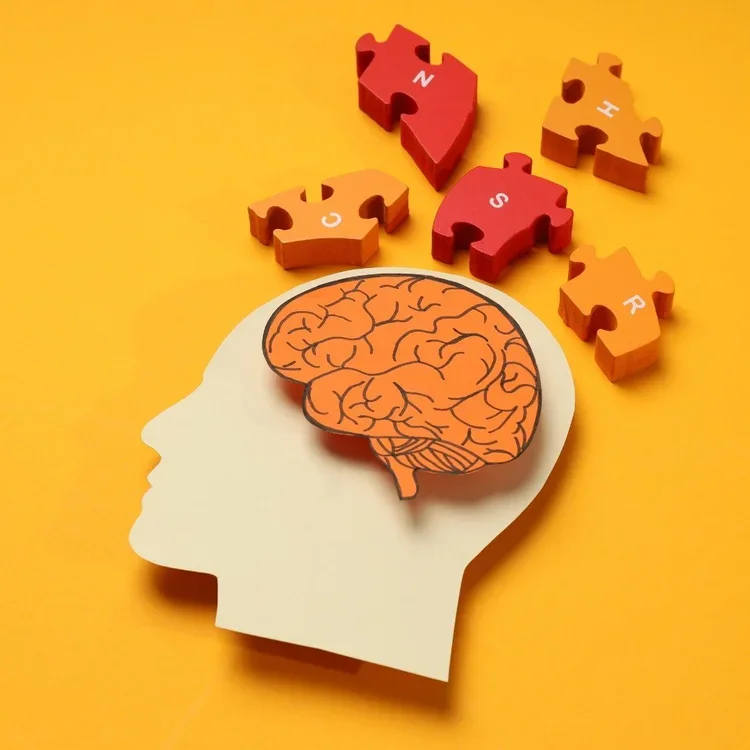
External Memory Aids
Using visual prompts, lists, signs, or devices to support independence.
Memory and Communication Aids for People with Dementia (Michelle Bourgeois, PhD, CCC-SLP)
Coping.
Emotional responses, behaviors, and environmental factors strongly influence participation in rehabilitation. Coping strategies help clinicians understand these responses and adapt care in ways that support engagement rather than resistance.
When individuals feel safe, understood, and supported, they are more likely to participate and succeed in therapy.
These approaches help clinicians respond to behaviors with empathy and clinical reasoning rather than control, creating conditions for participation and success.
-
Acknowledge emotions and experiences without correcting or dismissing them.
-
Shift focus from perceived limitations to existing abilities.
-
Adjust tasks and goals to match current abilities and reduce frustration.
-
Offer safe, meaningful alternatives that meet the individual’s needs.
-
Modify surroundings to reduce overstimulation, confusion, or anxiety.
Integrating the Pillars in Daily Practice
Communication, cognition, and coping are not isolated techniques — they represent a way of thinking about rehabilitation.
Together, these pillars guide clinicians in:
building therapeutic relationships
designing adaptive interventions
supporting engagement in meaningful and therapeutic activities
responding to emotional and environmental influences
promoting participation across the continuum of care
Through this integrated approach, rehabilitation can support not only function, but also confidence, autonomy, and quality of life for individuals living with dementia.